-->

Hello,

I work as a Biomedical Service Engineer in Om Surgical Concern Pvt. Ltd. that deals with the products of Erba, Medical, Yhlo and more. I am proud to work for a company that is dedicated to improving healthcare outcomes through innovative biomedical technology. Erba, Medica, Yhlo are global company that specializes in the design, manufacture, and distribution of a wide range of clinical diagnostics and life science research products. Our products are used in hospitals, clinics, and research labs around the world, and we are committed to providing our customers with the highest quality service and support.

As a service engineer, my role is to ensure that our customers have access to the best possible support and service for their Erba products. This involves working closely with customers to diagnose and troubleshoot any issues that they may encounter, as well as providing training and education on the proper use and maintenance of our products.

Service

My Services

Installation and commissioning of equipment

As a service engineer, one of my key responsibilities is to install and commission new equipment at customer sites. This involves working closely with the customer to ensure that the equipment is installed correctly and is functioning properly before it is put into use.

Preventative maintenance

Regular preventative maintenance is essential to ensure that equipment is operating at peak performance. As a service engineer, I am responsible for scheduling and performing preventative maintenance on customer equipment, which can help to prevent breakdowns and extend the life of the equipment.

Repairs and troubleshooting

When any equipment does experience issues or malfunctions, it is my responsibility as a service engineer to troubleshoot the problem and perform any necessary repairs or replacements. This requires a deep understanding of the equipment and its underlying technology, as well as strong problem-solving skills.

Customer training and support

In addition to providing service and repairs, I also work closely with customers to provide training and support on how to use their equipment effectively. This can involve everything from training on the software interface to providing guidance on best practices for sample preparation and handling.

Documentation and reporting

As a service engineer, it is important to maintain accurate records of all service activities and repairs. This includes documenting any issues that are identified, detailing the steps taken to resolve them, and providing comprehensive reports to customers and management.

Collaboration and teamwork

Finally, as a member of the service team, I work closely with colleagues across different departments to ensure that our customers receive the best possible service and support. This requires strong collaboration and communication skills, as well as a commitment to working together to achieve common goals.

Biochemistry

Biochemistry

Biochemistry is the study of the chemical processes that occur in living organisms. It is a broad field that encompasses the study of proteins, carbohydrates, lipids, nucleic acids, and enzymes. Biochemistry is important in biomedical engineering because it provides the foundation for understanding how the human body works. Biomedical engineers use biochemistry to design and develop medical devices, drugs, and therapies.

Biochemistry plays a critical role in biomedical engineering, which is the application of engineering principles and design concepts to biology and medicine. In the context of biomedical engineering, biochemistry is used to understand the molecular and cellular processes that underlie the functioning of the human body, and to design and develop medical devices, diagnostic tools, and therapeutic treatments.

Biochemistry Analyzers:

Biochemistry analyzers, also known as clinical chemistry analyzers, are laboratory instruments that are used to measure the concentration of various chemicals and biomolecules in biological samples, such as blood, urine, and plasma. These analyzers use a combination of chemical, biochemical, and optical techniques to perform a wide range of tests, including tests for liver function, kidney function, electrolytes, and blood glucose levels.

Biochemistry analyzers typically consist of a sample handling system, a detection system, and a computer system that controls and analyzes the data. The sample handling system is responsible for preparing and handling the biological sample, which may involve dilution, mixing, and separation steps. The detection system is used to measure the concentration of the target biomolecules, and may use techniques such as spectrophotometry, fluorometry, or electrochemistry. The computer system controls the instrument and analyzes the data generated by the detection system, and may provide results in real-time.

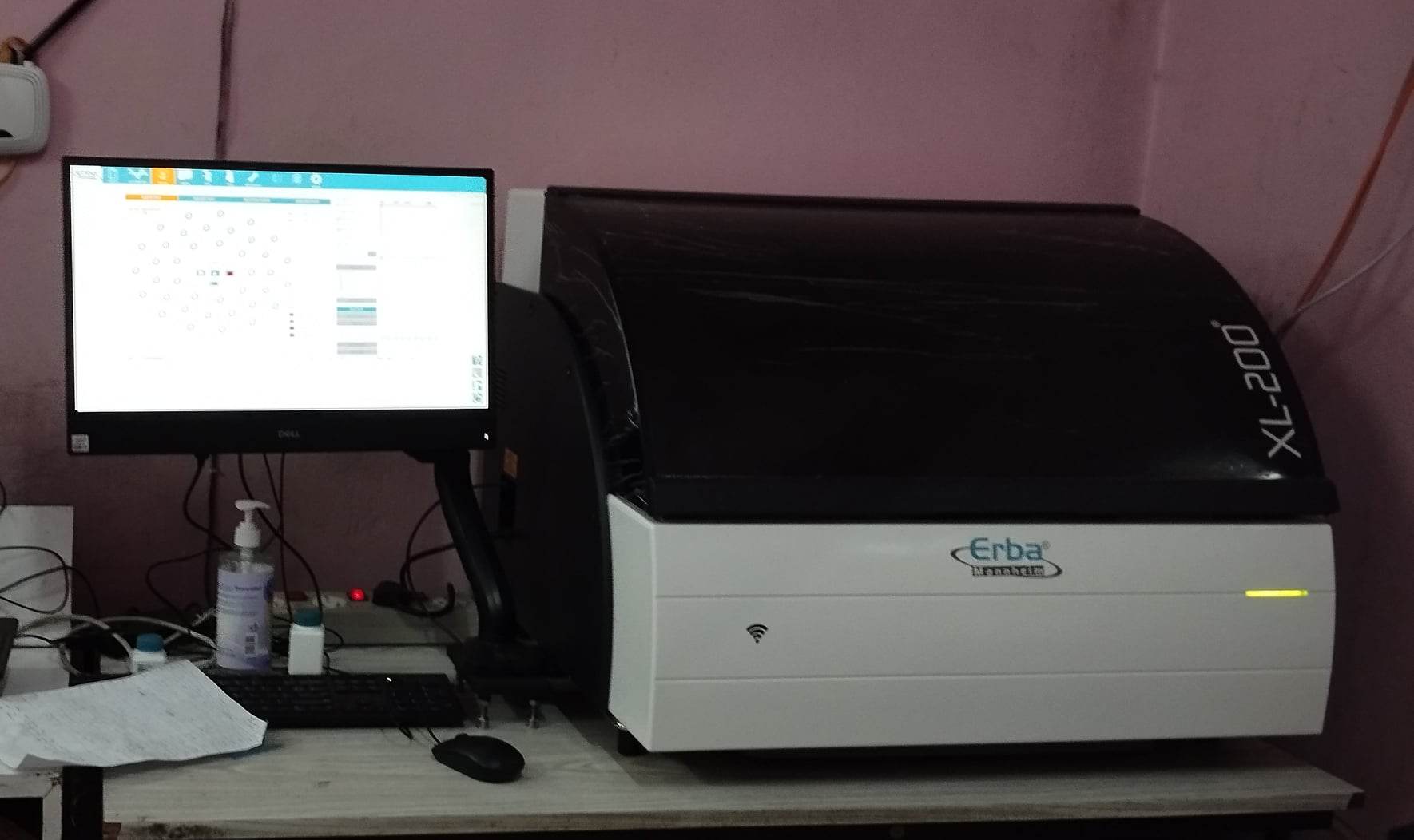
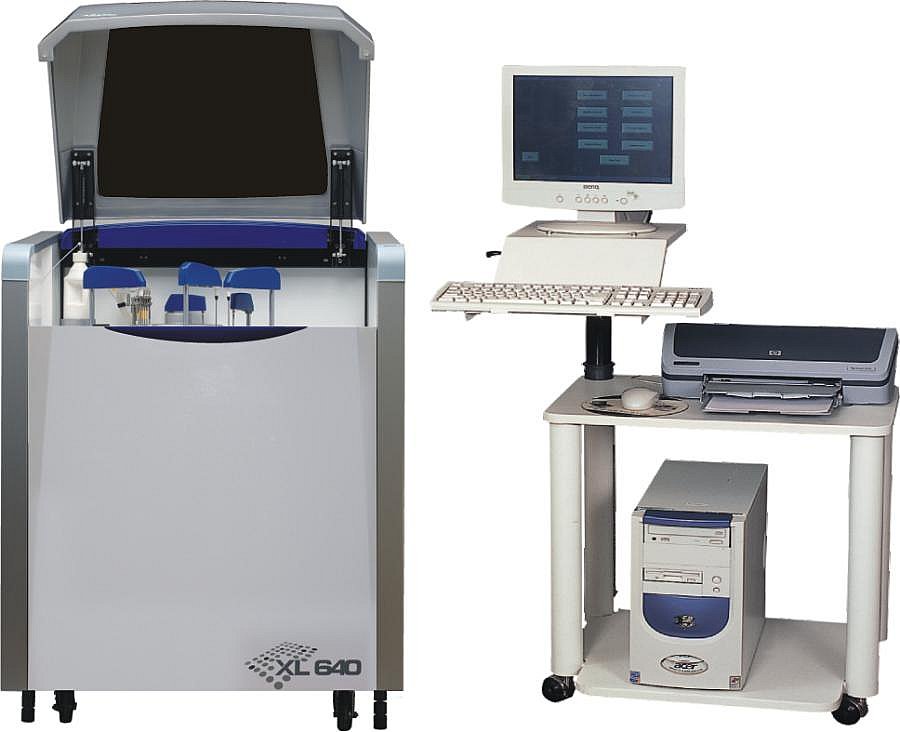
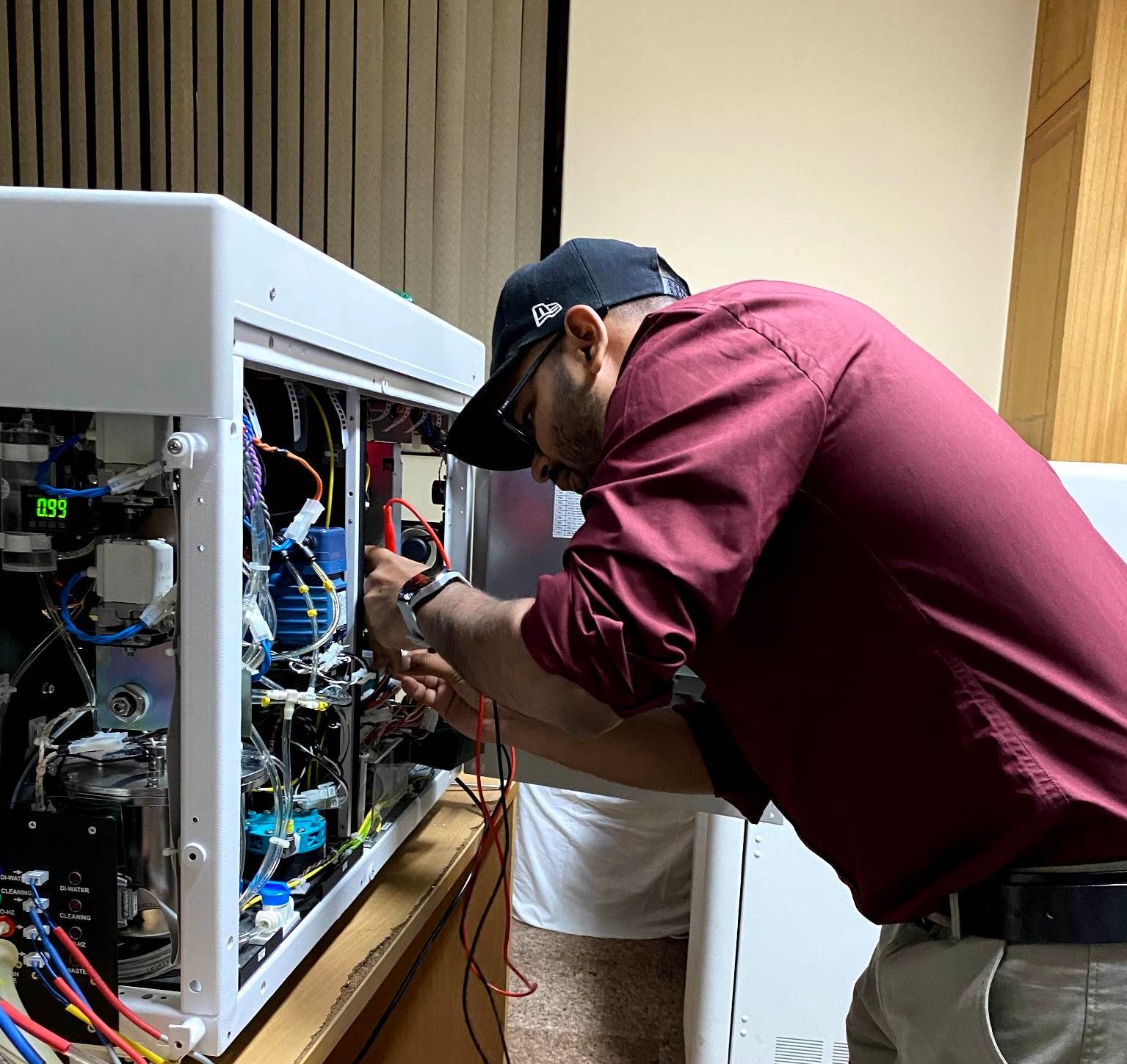
ERBA Mannheim is a leading global provider of biochemistry analyzers, offering a range of instruments that are used in clinical laboratories worldwide. ERBA's biochemistry analyzers are designed to be efficient, reliable, and user-friendly, with a focus on providing accurate and timely results to aid in clinical decision-making. ERBA's biochemistry analyzers include both fully automated and semi-automated models, with a range of throughput capacities to meet the needs of different laboratory settings. The instruments use a combination of advanced optical and biochemical techniques to measure a wide range of analytes, including enzymes, electrolytes, lipids, and proteins. One of ERBA's most popular biochemistry analyzers is the XL 640, which is a fully automated system that can process up to 640 tests per hour. The XL 640 uses a combination of spectrophotometry, ion-selective electrode (ISE), and turbidimetry techniques to measure a comprehensive panel of analytes, including blood glucose, creatinine, and total protein. The instrument also features a user-friendly interface, with easy-to-use software and a touch screen display.

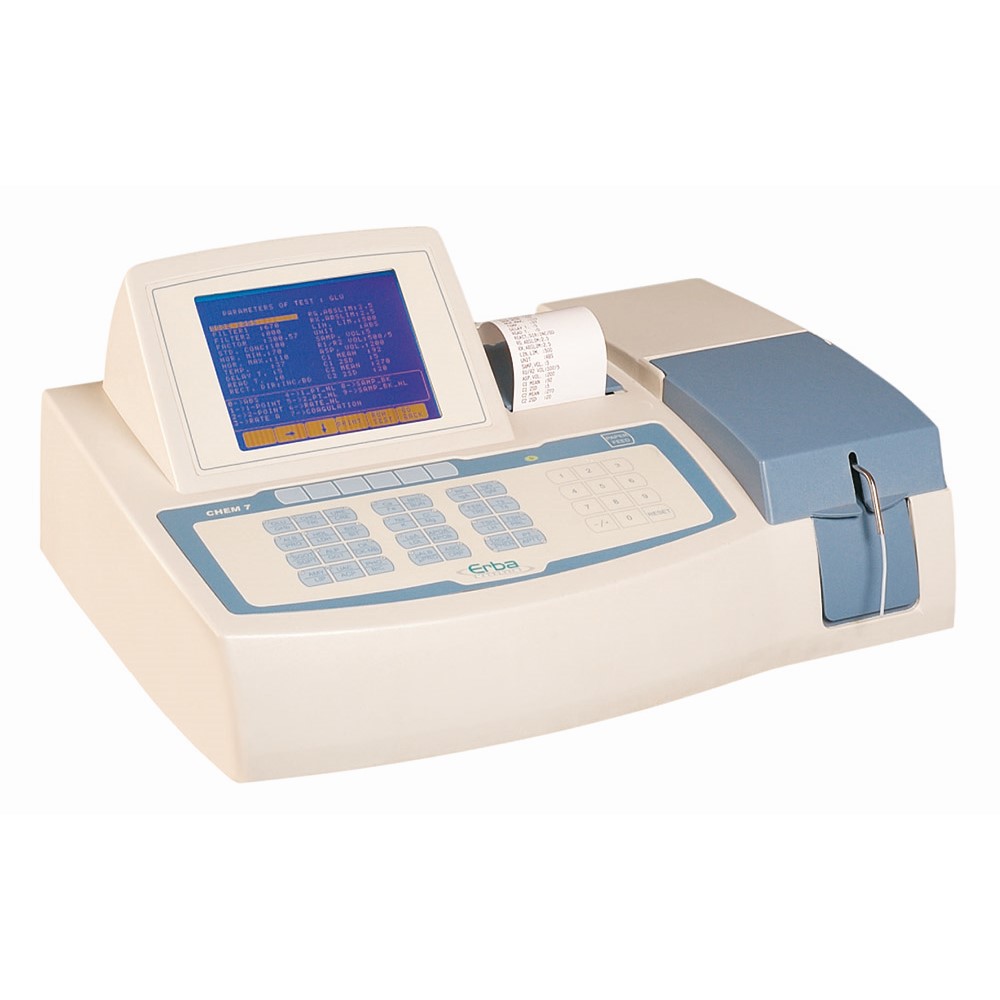
ERBA Mannheim also offers a range of semi-auto biochemistry analyzers that are designed for low to mid-volume testing in clinical laboratories. These instruments provide accurate and reliable results for a variety of clinical chemistry assays, including tests for glucose, cholesterol, triglycerides, and liver function. All of ERBA's semi-auto biochemistry analyzers are designed for ease of use, accuracy, and reliability.

ERBA's biochemistry analyzers are supported by a global network of service engineers and technical experts, who provide training, installation, and ongoing support to ensure the smooth operation of the instruments in the laboratory. With a focus on quality and innovation, ERBA's biochemistry analyzers are a trusted choice for clinical laboratories around the world.

More info: click here
Haematology

Haematology

Hematology is the branch of medicine that deals with the study of blood, blood-forming organs, and blood disorders. Hematologists are doctors who specialize in the diagnosis, treatment, and prevention of blood diseases.

Hematology analyzers are designed to measure a wide range of parameters related to blood and blood-forming tissues. Some of the common parameters measured in hematology analyzers include:

1.Complete Blood Count (CBC): CBC is a blood test that measures various components of blood, including red blood cells (RBC), white blood cells (WBC), and platelets. Hematology analyzers can provide a complete CBC, including parameters such as RBC count, hemoglobin, hematocrit, mean corpuscular volume (MCV), mean corpuscular hemoglobin (MCH), and mean corpuscular hemoglobin concentration (MCHC).

2.White Blood Cell Differential (WBC Diff): A WBC differential measures the different types of white blood cells present in the blood, including neutrophils, lymphocytes, monocytes, eosinophils, and basophils.

3.Reticulocyte Count: A reticulocyte count measures the number of young red blood cells in the blood, which can be an indicator of bone marrow function.

4.Platelet Count: A platelet count measures the number of platelets in the blood, which are important for blood clotting.

5.Red Blood Cell Morphology: Hematology analyzers can also measure the shape and size of red blood cells, which can be important in the diagnosis of certain blood disorders.

Haematology analyzers:

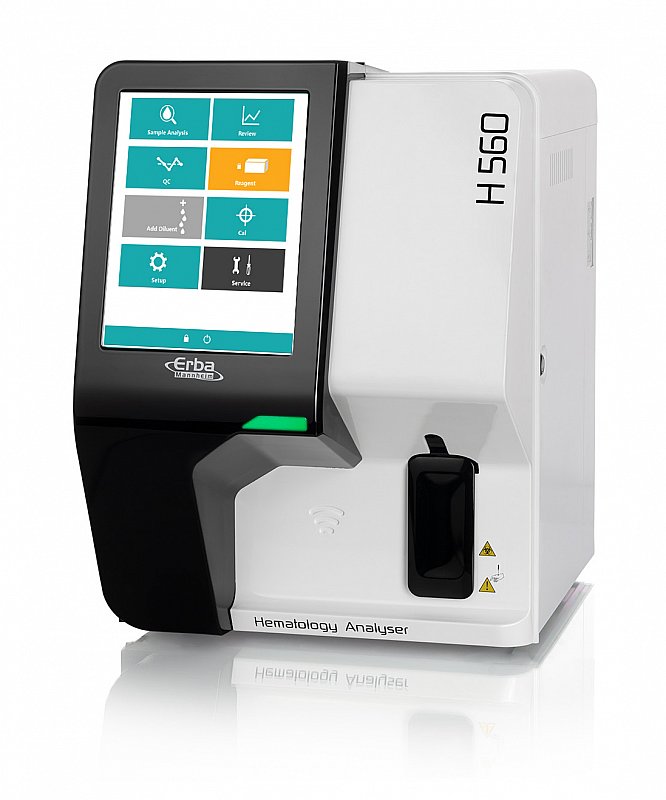
Erba Hematology Analyzers are a range of automated blood analyzers that are used to perform routine hematology tests. These analyzers are designed to provide accurate and reliable results quickly and efficiently. Erba Hematology Analyzers use advanced technology to analyze blood samples, providing a comprehensive report on the patient's blood count, red blood cells, white blood cells, and platelets.

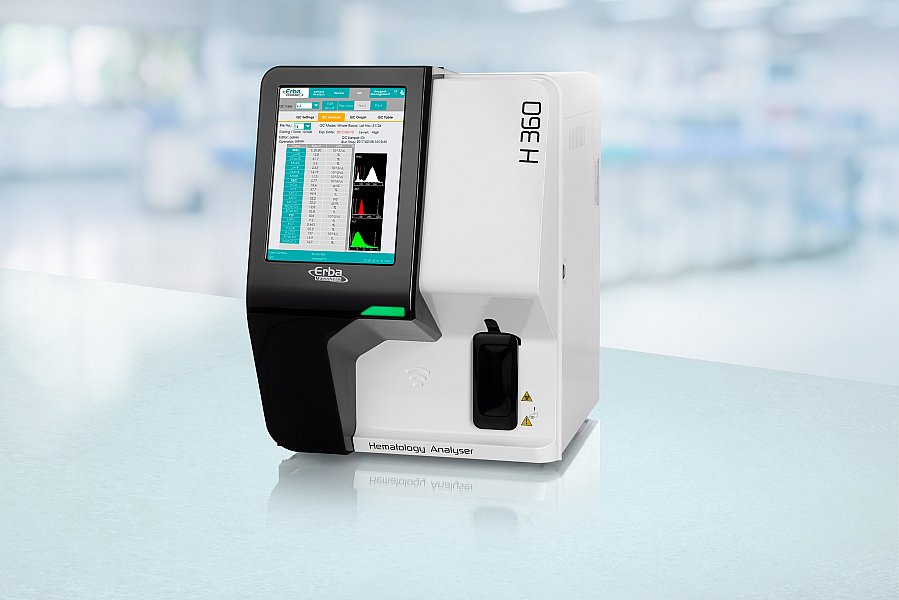
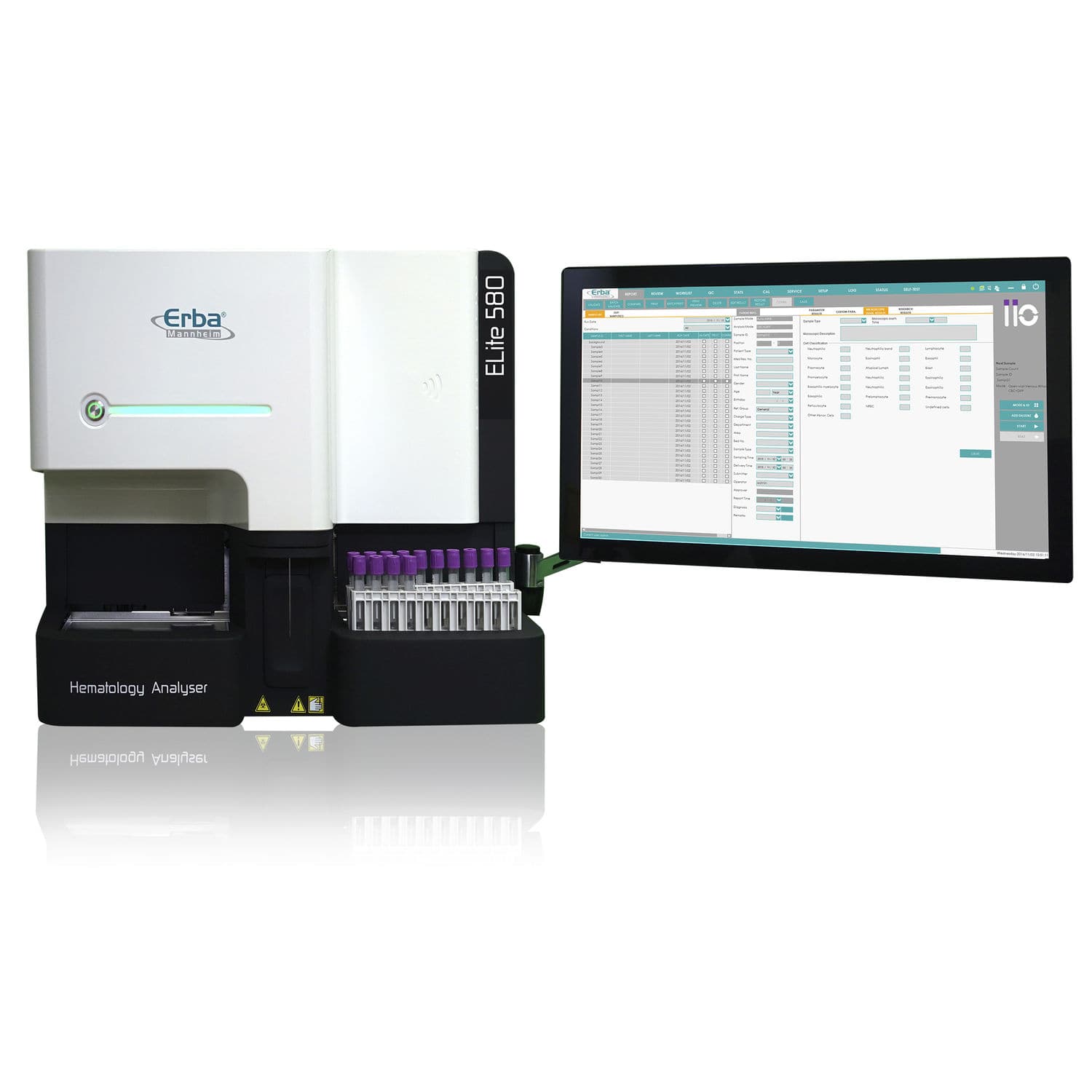
We deal with H360 which is 3 part analyzer and H580 which is 5 part, both are perfect according to labs's/hospital's requirements. I want to mention about elite 580 in detail here as it is our flagship product in haematology. Erba Elite 580 is an automated hematology analyzer designed for use in clinical laboratories. It is a compact and easy-to-use analyzer that can perform a wide range of tests, including complete blood count (CBC), white blood cell differential, and reticulocyte count. The analyzer uses advanced technology to provide accurate and reliable results quickly and efficiently, with a throughput of up to 60 samples per hour. Erba Elite 580 features a user-friendly interface with a large color touchscreen that allows for easy navigation and operation. The analyzer uses a unique laser-based optical system to perform accurate cell counting and differentiation, while a built-in quality control system ensures the accuracy and reliability of results.

One of the key features of Erba Elite 580 is its ability to detect and flag abnormal cells, which can be important in the diagnosis of blood disorders. The analyzer also has a high degree of accuracy and precision, with a low rate of false-positive and false-negative results. Overall, Erba Elite 580 is a reliable and efficient hematology analyzer that can help clinical laboratories to provide accurate and timely diagnoses for their patients.

ERBA's haematology analyzers are supported by a global network of service engineers and technical experts, who provide training, installation, and ongoing support to ensure the smooth operation of the instruments in the laboratory. With a focus on quality and innovation, ERBA's haematology analyzers are a trusted choice for clinical laboratories around the world.

More info: click here
Na/K

Na/K

Sodium (Na) and potassium (K) are two important electrolytes found in the human body. They play vital roles in many physiological processes, including fluid balance, nerve and muscle function, and blood pressure regulation. The normal concentration of sodium in the blood is around 135-145 milliequivalents per liter (mEq/L). Sodium ions are primarily found in the extracellular fluid (the fluid outside cells), where they help regulate fluid balance, maintain blood volume and blood pressure, and transmit nerve impulses. The normal concentration of potassium in the blood is around 3.5-5.0 mEq/L. Potassium ions are mainly found inside cells, where they help regulate nerve and muscle function and maintain the body's acid-base balance.

It's worth noting that the levels of sodium and potassium in the body can vary depending on various factors such as diet, hydration status, medication use, and certain medical conditions. For example, a diet high in sodium or low in potassium can affect the body's electrolyte balance. Similarly, conditions such as kidney disease or hormonal imbalances can cause electrolyte imbalances.

Maintaining a proper balance of sodium and potassium is essential for optimal bodily function. An imbalance in these electrolytes can lead to a variety of health problems, such as high blood pressure, muscle weakness, and heart rhythm abnormalities.

Na/k analyzers:

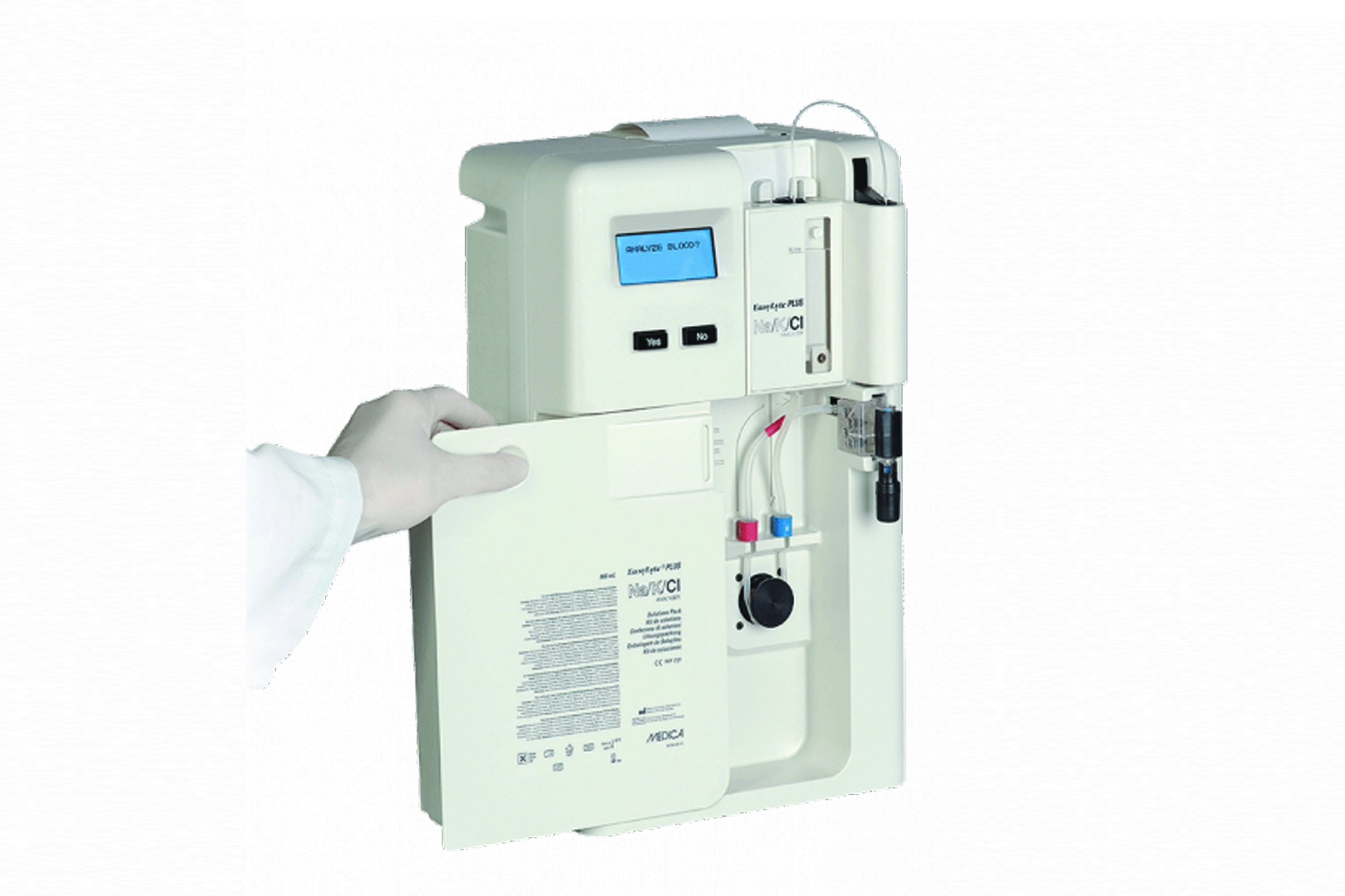
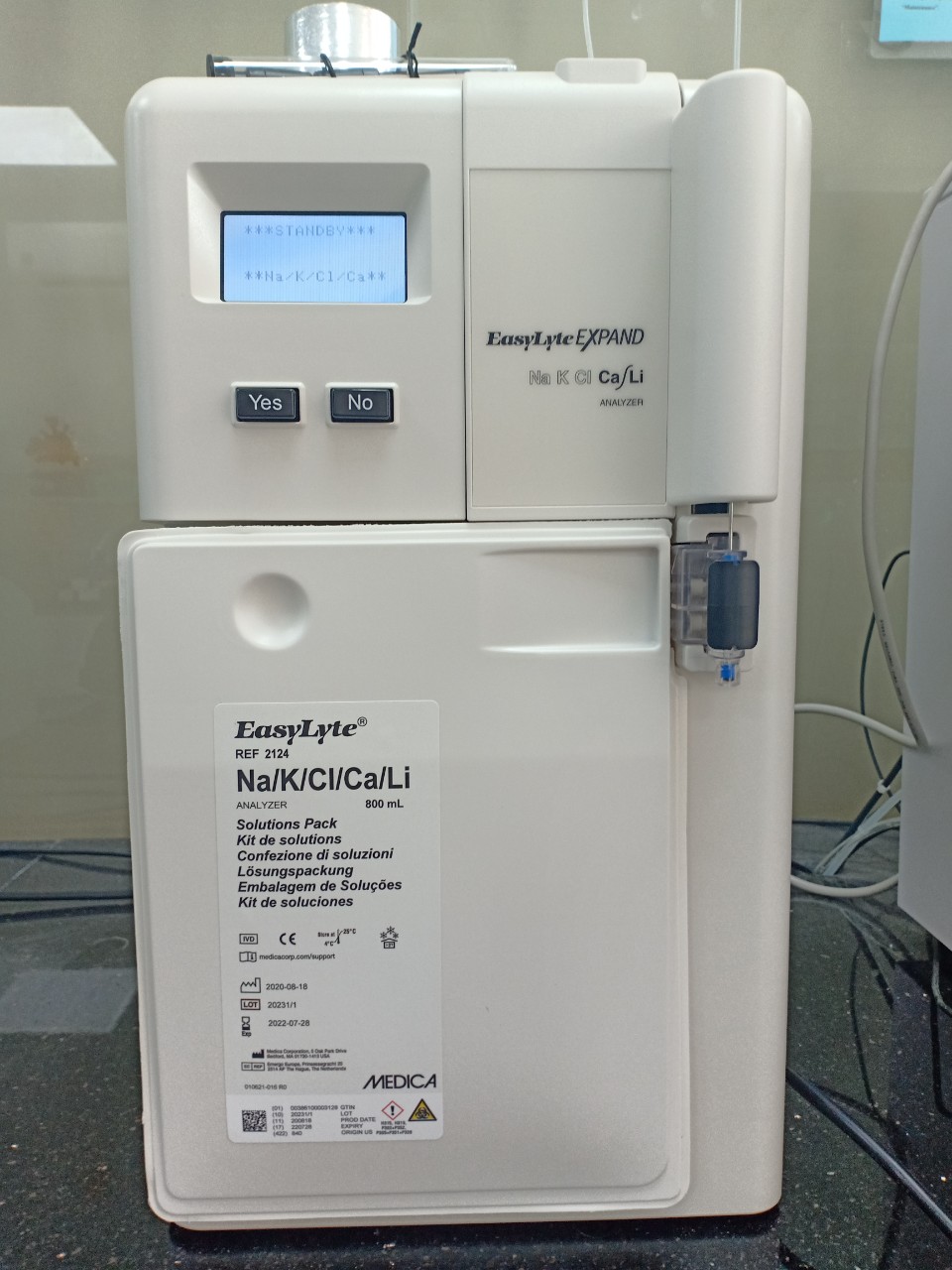
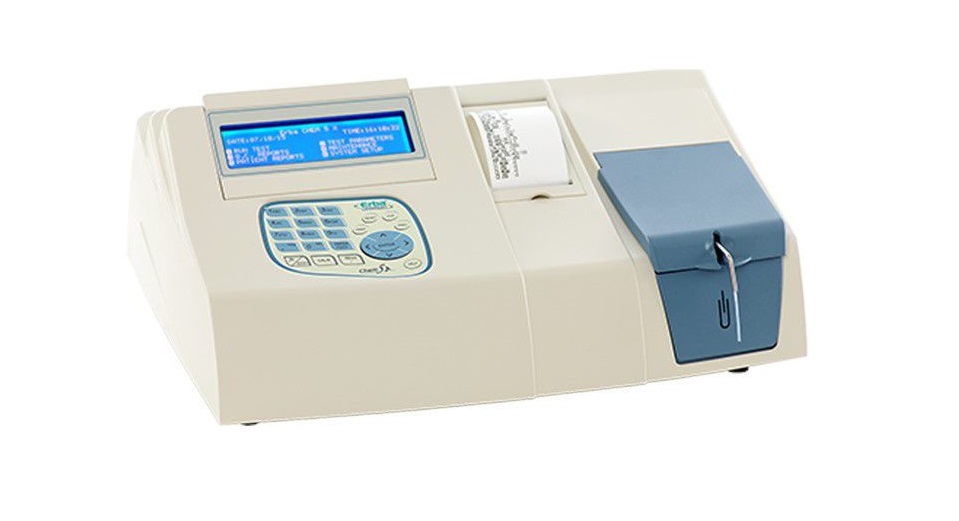
We deal with Na/k analyzers of Medica Corp. which is finest Na/k analyzers among all. It is USFDA approved and is used in small labs to hospitals. It comes in few vairants according to customer's demand. Medica EasyLyte can measure several electrolytes, including sodium (Na+), potassium (K+), chloride (Cl-), calcium (Ca2+), and lithium (Li+). The analyzer uses an ion-selective electrode (ISE) technology to measure the concentrations of these ions in the sample.

EasyLyte incorporates state-of-the-art electronics and an innovative ergonomic design that differentiates it significantly from competitors. The analyzer also stores quality-control data that is easily accessible. Patient histories are immediately retrievable for evaluation. EasyLyte analyzers combine simple yes/no prompted operation, low maintenance, and high reliability into one economical design. Over 40,000 EasyLyte analyzers have been sold.

One of the key features of Medica EasyLyte is its ease of use and automation. The analyzer can process up to 60 samples per hour and requires minimal operator intervention. The analyzer also has a user-friendly interface and can store patient and QC results for later review. Medica EasyLyte is commonly used in clinical laboratories to monitor electrolyte levels in patients with a variety of medical conditions, such as kidney disease, heart failure, and diabetes. It is also used to monitor electrolyte imbalances caused by medications or medical treatments. Accurate and timely measurement of electrolyte levels is important for the diagnosis and treatment of these conditions.

More info: click here

CLIA

CLIA

yet to add...

More info: click here

General

General

yet to add...

More info: click here

© . All Rights Reserved. Designed by Mukul